
The Role of the Laboratory in Early Disease Detection
In today’s fast-paced world, prevention and early intervention have become the corner stones of good healthcare. At the heart of both lies a critical player behind the scenes , the clinical laboratory. while most people think of labs as places that simply process blood or urine samples, their role goes far beyond that. Modern laboratories are the frontline in early disease detection, providing crucial data that helps clinicians identify conditions long before symptoms appear.
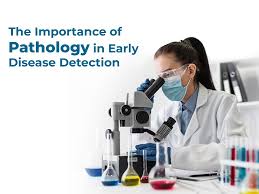
Why Early Detection Matters
Early detection can make the difference between a manageable condition and a life-threatening illness. detecting disease in its earliest stages allows for:
- Timely treatment that can slow or even reverse disease progression.
- Improved patient outcomes and quality of life.
- Reduced healthcare costs by avoiding advanced-stage interventions.
- Better prevention strategies through early lifestyle and medication adjustments.
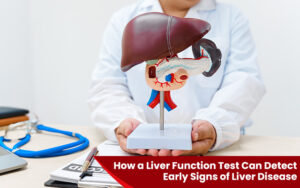
Whether it’s diabetes, cancer, infectious diseases, or cardiovascular disorders, the ability to identify health risks early relies heavily on accurate and reliable laboratory testing.
The Laboratory’s Vital Functions
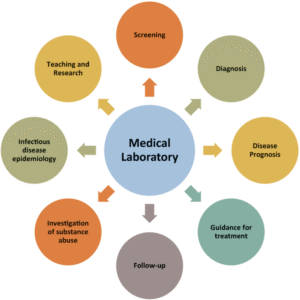
clinical laboratories are the foundation of evidence-based medicine. They perform a wide range of diagnostic tests that provide critical insights into a patient’s health status. Here are some of the key ways lab contribute to early disease detection.
- Routine Screening Tests : Routine tests such as Complete Blood Counts (CBC), Lipid Profiles, Blood Glucose Levels, and Liver Function Tests can reveal early warning signs of disease. For example, elevated glucose levels can indicate prediabetes, while abnormal liver enzymes might signal early liver damage, even before symptoms arise.
- Molecular and Genetic Testing: Advances in Molecular diagnostics allow laboratories to detect genetic mutations and biomarkers associated with disease susceptibility. Tests for BRCA gene mutations, for example, can identify individuals at higher risk for breast and ovarian cancer, empowering them to take preventive steps.
- Infectious Disease Surveillance: Clinical labs play a crucial role in identifying infections such as HIIV, hepatitis, and tuberculosis, Sometimes before patients experience symptoms. Early diagnosis not only improves patient outcomes but also helps prevent diease spread within communities.
- Biomarker Discovery and Monitoring: Modern labs are continually developing tests that measure biomarkers. Substances in the body that can indicate early disease processes. Elevated cardiac enzymes, for example, can signal heart disease before a major event occurs.
Technology Driving Early Detection
Today’s laboratories are equipped with cutting-edge technology that makes testing faster, more accurate, and more predictive than ever before. Innovations such as:
- Automation and Artificial Intelligence[AI] For faster analysis and fewer errors
- Point-of-care testing [POCT] devices for rapid results in clinics and remotes settings
- Next – generation sequencing [NGS]for genetic and cancer screening
- High-sensitivity assays that defects disease makers at trace levels
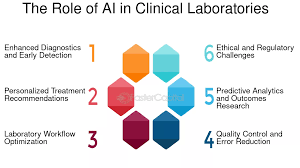
These advancements mean laboratories can deliver earlier ,more precise diagnoses that guide treatment decisions and improves outcomes
Empowering patients Through awareness
Patients also pay a key role in early diseases detection regular checkups and preventive screenings are vital, even when you feel healthy. By staying informed and partnering with healthcare providers, individuals can benefit from early insights laboratories provide.
In Summary
Clinical laboratories are much more than testing centers- they are guardians of public health. By uncovering early signs of diseases, they enable timely intervention, improve treatment outcomes, and support healthier communities.